As an Amazon Associate, we earn from qualifying purchases. Some links on this site are affiliate links at no extra cost to you. Our recommendations are based on thorough research and editorial judgment.

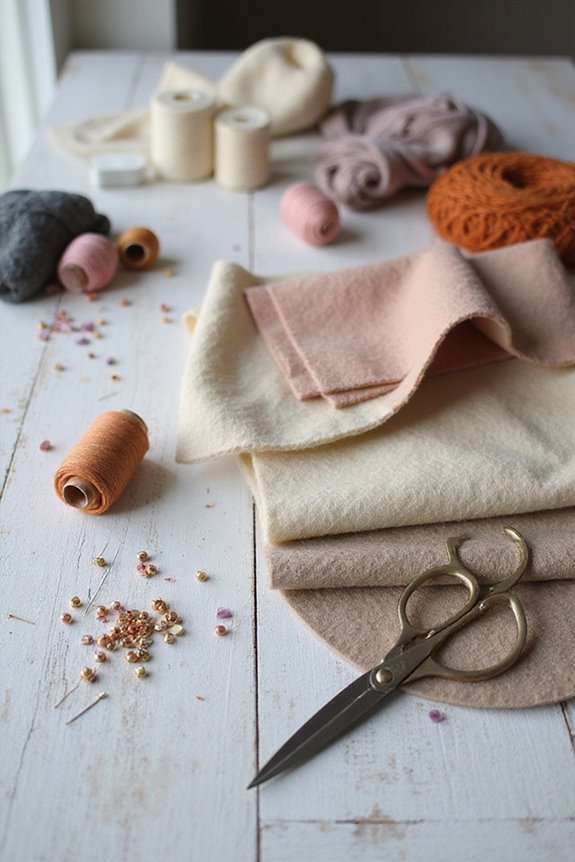
What Are The Best Materials For Felt Crafts

When we choose materials for felt crafts, we’re often looking for the best fit for our projects. For soft, durable items, 100% wool felt is fantastic, while budget-friendly synthetic craft felt works well for simple decorations. Wool blends offer a balanced option that combines quality with cost. 💡 If you need something firmer, try needled felt for sculptural work. Each type has unique properties, so understanding them will help us make the right choices for our crafts!
Key Takeaways
- Wool felt is soft, durable, and eco-friendly, making it ideal for soft toys and home decor.
- Synthetic craft felt is budget-friendly and suitable for simple projects but lacks durability.
- Wool blend felt balances quality and cost, making it versatile for various crafting needs.
- Thin craft felt sheets are best for no-sew crafts but may not withstand wear over time.
- Specialty certified felt is important for children’s projects, ensuring safety and compliance with toy standards.
Types of Felt for Crafts
When it comes to types of felt for crafts, we’ve got some excellent options to contemplate! 🎨 Felt comes in various materials and textures, each with its own strengths and best uses.
Wool Felt:
- 100% Wool Felt: Soft and smooth; perfect for ornaments and dolls.
- Wool Blend Felt: Contains 20-35% wool, easy to find, but can fuzzy at the edges.
- Heavy/Heathered Blend: More durable, defined edges, yet stiffer.
Synthetic Craft Felt:
- Made of acrylic or polyester; budget-friendly but stiffer and less soft.
- Eco-fi Felt: Recycled materials, machine washable, ideal for kids’ crafts.
Needled Felt:
– Firm fabric for sculptural projects, utilizing specialized felting techniques.
Choosing the right felt makes all the difference in our crafting success! 🧵✨ Additionally, crafting experiences can be enhanced by using quality materials like felt, ensuring durability and ease for various projects.
Recommended Products

【Morandi Felt Fabric Set】:Our felt fabric portfolio contains 12 morandi series colors,the size of each roll is 8 "x35"(20.5x90cm) and the thickness of the felt is about 1.4mm. These craft felt are Thick and light tight, it can withstand prolonged use without wear or tear.

Appropriate Size: Approx 12 x 12 inches (30 x 30 cm), 1 mm thickness, 80 pieces in total
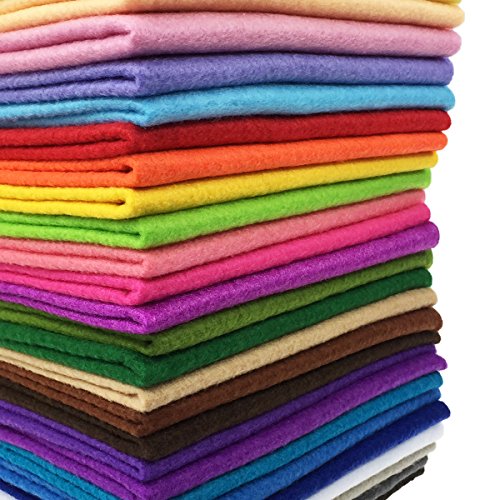
Material: 30% Wool Blend+70% Rayon, High Quality Acrylic Craft Felt
Properties Influencing Felt Choice
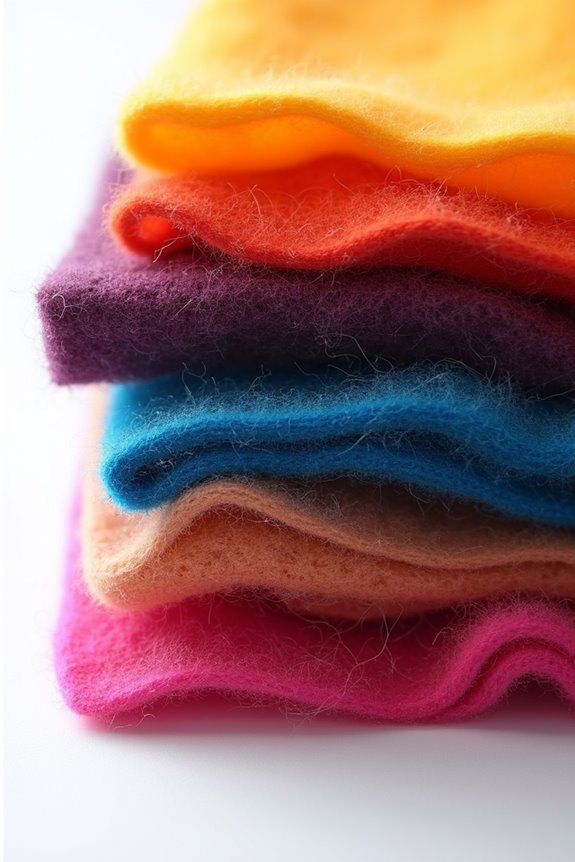
Choosing the right felt for our projects relies heavily on understanding its properties. 🧵 Whether we’re focusing on fiber composition, density, or durability, each characteristic plays an essential role in how well our felt will perform.
- Fiber Selection: Wool offers softness and elasticity, while synthetic fibers provide durability and moisture resistance. Blends combine the best of both worlds.
- Density and Thickness: Thicker felt is great for insulation, while thinner options are easier to cut for detailed work.
- Durability: Well-structured felt resists fraying and tearing. Additionally, the tool material quality of the punch needle tools can significantly affect the crafting experience and the final results of felt projects.
Recommended Products

35% Wool/65% Rayon - Made in USA

Larger Needle Felting Mat: Our needle felting pads' size is 4.52x3.34 inches, which are thick and firm in construction, won't fall apart easily, won't collapse over time, and are perfect for any felting project

100% Merino Wool Felt - Individual 8" x 12" pieces
Best Felt for Specific Craft Projects

Selecting the best felt for specific craft projects can enhance our creative experience and results. 🧵 Each type of felt serves unique purposes, so knowing what to choose is essential for our creations.
- Wool Felt is perfect for soft toys and home decor since it’s durable and eco-friendly.
- Acrylic Felt is budget-friendly and great for decorations or kids’ projects but lacks durability.
- Wool Blend Felt strikes a balance between quality and cost, making it suitable for most crafting needs.
- Thin Craft Felt Sheets are ideal for simple, no-sew crafts, though they are not very durable.
- Specialty Certified Felt meets safety standards for children’s toys, ensuring both fun and safety.
Understanding the best felt types helps us align our materials with project suitability effortlessly! 🌟 Additionally, using high-quality yarn in crochet projects can lead to crisp, clean stitches, enhancing the overall crafting experience.
Recommended Products

Made With Love - 6PCS Earthtone Solutions Quiet Natural Wool Cat Balls are Made by Nepal Artisan Women for Indoor or Outdoor Cats - Eco Friendly Non Toxic Dyes
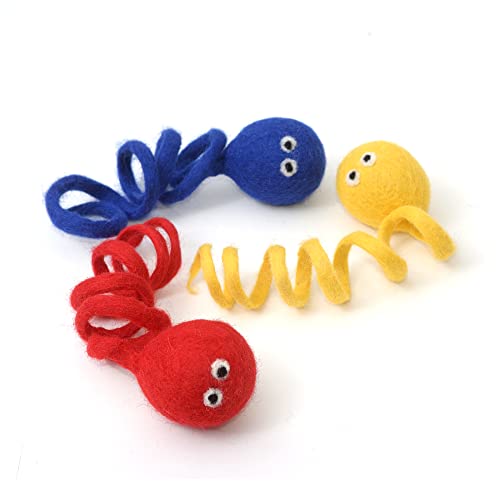
🐱 SPRINGS OF FUN - These wool cat springs balls will help keep your cats occupied for hours. It's a creative way to get them to exercise and expend energy so they don't become destructive or bored.

Large Size for Limitless Creativity: Measuring a full 36" x 36" with a 1.6mm thickness, this large sheet of felt provides ample material for any DIY project — big or small
Material Composition & Environmental Factors
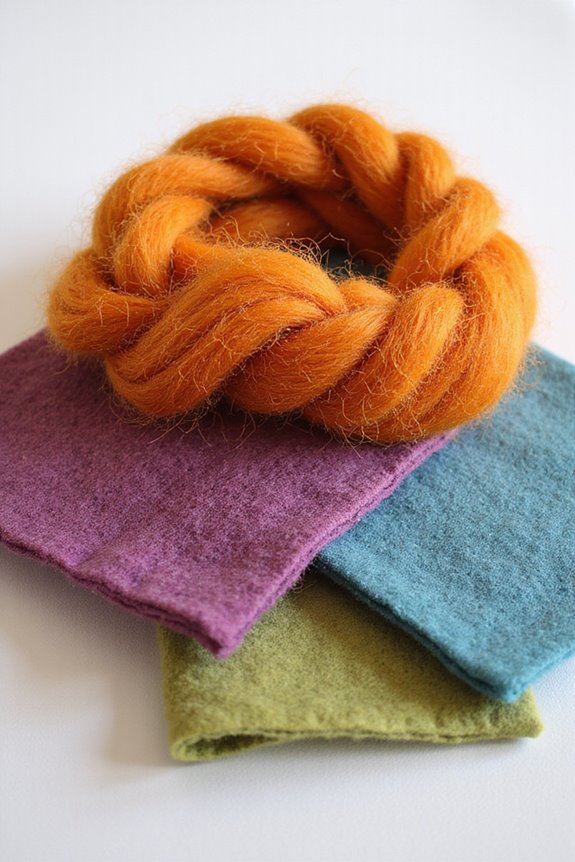
Understanding the different materials we choose for our felt crafts is essential for making informed decisions. 🎨 If we consider the fiber types and their environmental impact, we’ll not only enhance our projects but also make eco-friendly choices.
Here’s a quick breakdown:
- Natural Felt: Made of 100% wool or cotton, it’s biodegradable and durable. 🌱
- Synthetic Felt: Composed of acrylic or polyester, it reduces natural fiber usage but contributes to microplastic pollution.
- Blended Felt: Mixing wool with synthetic fibers offers both durability and cost-effectiveness, with blends like 35% wool/65% acrylic working well for various crafting techniques.
Prioritizing fiber sustainability helps us minimize our ecological footprint while creating beautiful felt crafts! 🌍✂ Additionally, using non-toxic options ensures safe crafting practices for all ages.
Performance Characteristics for Crafting
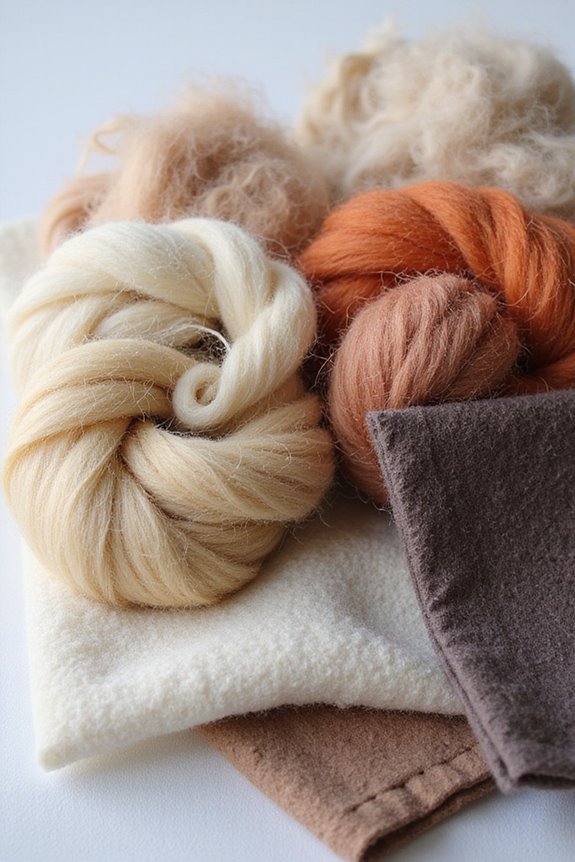
When crafting with felt, it’s important to take into account the performance characteristics that influence our projects. 🧵 These qualities—durability, elasticity, insulation, moisture management, and chemical resistance—are crucial for selecting the right type of felt for our needs.
- Durability: Wool felt outlasts synthetic options, making it ideal for long-lasting crafting techniques.
- Elasticity: Wool adjusts to pressure without creasing, ensuring our projects maintain their shape.
- Insulation: Wool excels in temperature regulation, perfect for wearable felt applications.
- Moisture Management: It wicks moisture effectively, which is essential for comfort in crafts.
- Chemical Resistance: Wool felt withstands harsh conditions, ideal for protective gear.
Recommended Products
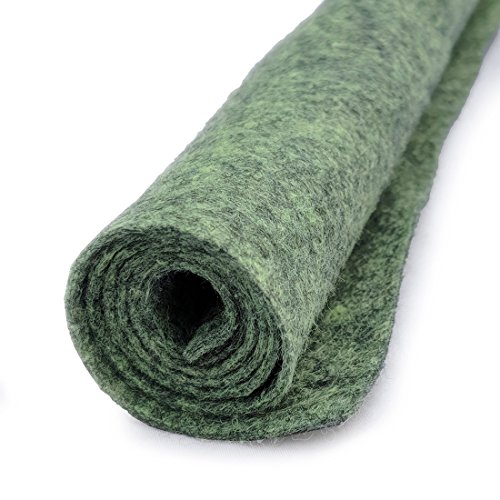

35% Wool/65% Rayon - Made in USA

Package of 1 12x18 sheet
Cost and Availability Considerations
Cost and availability are key factors we need to evaluate as we immerse ourselves in felt crafts. 🧵 Whether we’re working on a simple project or a detailed masterpiece, knowing the prices and where to find our materials can make all the difference.
- Wool felt: $5 to $30 per yard; widely available online.
- Acrylic felt: Under $10 per yard or sheet; accessible at craft stores.
- Wool blends: Mid-range option, less than 100% wool, found at specialty retailers.
To maximize our budget, we should consider price comparisons and sourcing options. For bulk purchases, many stores offer discounts on common felts. Additionally, using natural ingredients in our projects can enhance the quality and appeal of our felt crafts. Remember, balancing quality and cost can elevate our projects while keeping expenses manageable!
Recommended Products


【Multiple Size】Available in a variety of sizes and hardness options (Stiff/Soft). Ideal for crafts, home decor, and DIY projects, these versatile sheets adapt seamlessly to your creative and practical needs.

35% Wool/65% Rayon - Made in USA
Can Felt Be Machine Washed or Dried?
Felt can be tricky to clean. We recommend using gentle washing techniques, like hand washing or cold water on delicate cycles, and sticking to air drying options to maintain its shape and integrity.
Is Felt Safe for Toddler Crafts?
When it comes to toddler safety, felt can’t be beat! We’ve found that while felt offers amazing benefits, exploring felt alternatives and ensuring the materials are non-toxic is essential for safe crafting adventures with our little ones.
How Do I Store Leftover Felt?
When it comes to storing leftover felt, we should explore effective felt storage solutions. Organizing felt neatly in airtight containers will protect it from pests, moisture, and fading, ensuring it remains usable and vibrant for future projects.
Can I Dye Felt to Change Its Color?
Absolutely, we can dye felt to change its color! However, we should consider dyeing techniques and colorfastness concerns, as some methods may not yield lasting results. So, let’s experiment carefully to achieve vibrant, enduring colors!
What Tools Are Best for Cutting Felt?
When we consider cutting felt, using the right scissors types and cutting techniques really matters. We find that sharp fabric shears, rotary cutters, and specialized scissors enhance our precision and efficiency in crafting.