As an Amazon Associate, we earn from qualifying purchases. Some links on this site are affiliate links at no extra cost to you. Our recommendations are based on thorough research and editorial judgment.

What Are Eco Friendly Arts And Crafts Supplies

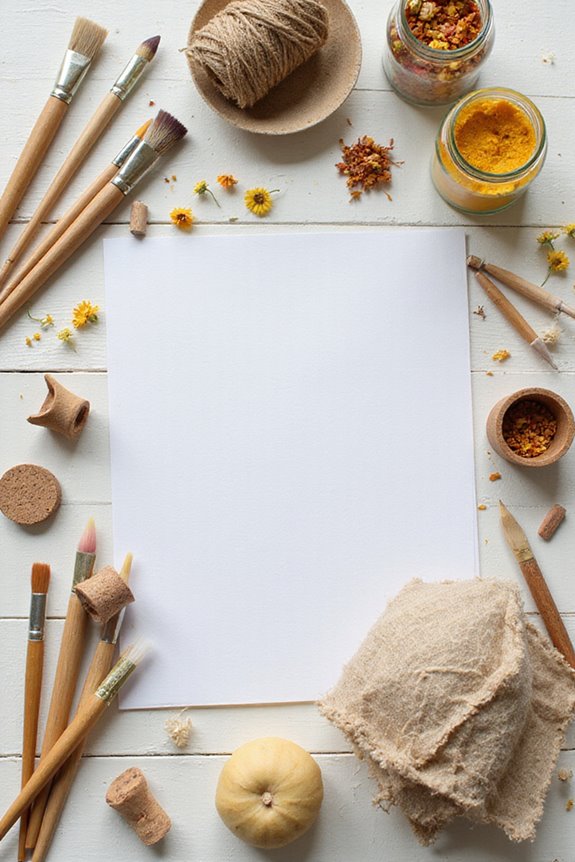
Eco-friendly arts and crafts supplies are materials that support sustainability and health. We can choose items like recycled paper, organic cotton canvas, and non-toxic paints. 🌱 For brushes, look for bamboo handles and vegan options with ethical sourcing. When picking colors, consider non-toxic earth pigments and biodegradable inks. 🖌 These eco-friendly choices not only help the environment but also keep us safe while creating. By exploring these options, we can make responsible and creative decisions together!
Key Takeaways
- Eco-friendly arts and crafts supplies include recycled paper and sketchbooks to reduce deforestation and resource consumption.
- Plant-based paints made from natural pigments and non-toxic formulas ensure a safer creative environment.
- Sustainable brushes crafted from bamboo enhance durability while being ethically sourced and environmentally friendly.
- Non-toxic earth pigments and biodegradable inks provide safe, sustainable alternatives to traditional coloring materials.
- Always ensure products have health safety certifications and use art supplies in well-ventilated spaces for added protection.
Eco-Friendly Paper and Canvas Materials
When we immerse ourselves in the world of eco-friendly art, choosing the right paper and canvas materials is crucial. 🌱 We can make a significant impact by selecting options that support sustainability, and here’s how!
- Recycled Paper: Opting for recycled paper reduces deforestation and conserves resources. Look for sketchbooks with high post-consumer waste content for durability.
- Sustainable Canvas: Choosing organic cotton or plant-based fibers like hemp and bamboo guarantees we support eco-friendly agriculture. These materials require less water and chemicals in their production. Additionally, many companies prioritize non-toxic materials in their manufacturing processes, ensuring a safer environment for artists and the planet.
In addition, many companies use renewable energy, like solar or wind power, when crafting their sustainable canvas. We can create beautiful artwork while caring for our planet!
Plant-Based and Non-Toxic Paints
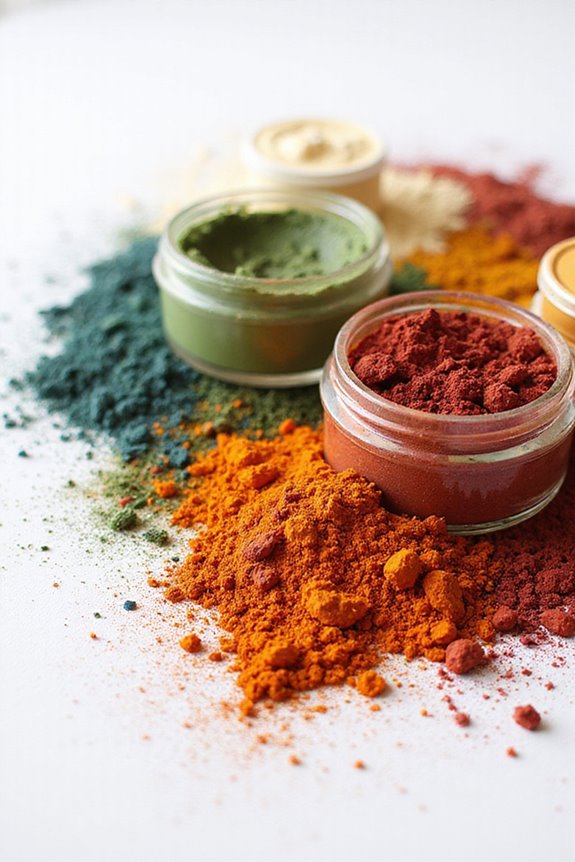
Exploring plant-based and non-toxic paints opens up a world of vibrant possibilities for our creative projects! 🌈 By choosing eco-friendly paints, we not only enhance our artwork but also contribute to a healthier environment.
When we think about plant pigment sourcing, we can find colors in nature, like indigo and beetroot. To make our paints, we can use natural binder options, such as linseed oil or soya oil, which help the paint adhere and dry well. Additionally, using non-toxic, water-based formulas ensures that our creative process is safe for both us and the environment.
Here are a few steps to get started:
- Mix powdered plant pigments with a binder like a plant-based acrylic medium.
- For homemade plant paints, combine pigment powders with water and arrowroot powder.
Recommended Products

CONVENIENT SIZE - This Apple Barrel Acrylic Paint comes in a versatile 2 oz size that is great for basecoating, stenciling, and so much more

Kids Bulk Paint Set – Cra-Z-Art features Classic Paint in 8 beautiful, vibrant colors

CRAYOLA WASHABLE PROJECT PAINT: Washable paint in 6 bold colors including Yellow, Green, Yellow Orange, Red Orange, Fuchsia, Teal, and Blue Violet.
Sustainable Brushes and Tools
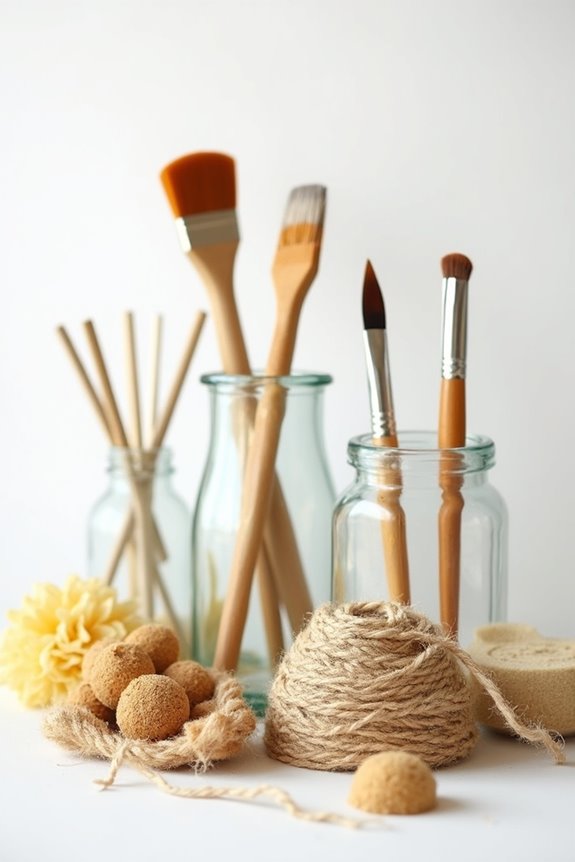
Sustainable brushes and tools are essential for any eco-conscious artist who wants to minimize their environmental footprint. 🌱 By choosing brushes made from renewable resources like bamboo, we not only support sustainable practices but also enhance our art experience.
Using ethical sourcing materials, these brushes offer impressive sustainable brush performance. Their bamboo handles are light yet durable, and the synthetic filaments provide excellent shape retention after cleaning.
Look for brushes that are finished with non-toxic glues and plant-based oils to prevent harmful emissions. 🌍 While shopping, check for vegan certifications to guarantee animal-friendly manufacturing. Additionally, selecting brushes that are non-toxic options ensures safety for both the artist and the environment.
Together, we can reduce waste with minimal packaging and support local production, as every choice contributes to a healthier planet for our art and future generations.
Recommended Products

PAINT YOUR STYLE INTO EVERY DAY HAIR CARE: What if your hairbrush could reflect your personality as much as your hairstyle? This DIY Bamboo Hair Brush Painting Kit lets you turn 12 premium natural bamboo brushes into customized works of art — from bold color blocks to intricate patterns — wherever inspiration strikes.

Natural oil distribution - Bamboo bristles spread scalp oils from root to tip for natural shine

Hand Painted Bamboo Hairbrush Set: this set includes 12 bamboo combs, 12 acrylic paints, 6 art brushes, 12 palettes and a roll of white lace, meeting all your needs for DIY creations; The bright acrylic paints are easy to apply to the bamboo surface of the brushes, ensuring your design results are stunning
Eco-Friendly Drawing and Coloring Supplies
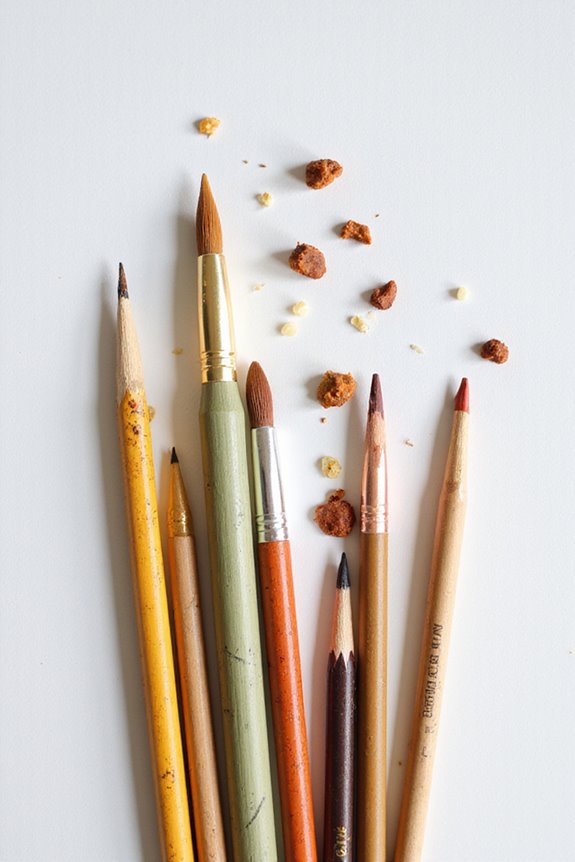
Using natural pigment techniques is another essential choice. Non-toxic earth pigments provide a safe and sustainable alternative to traditional coloring supplies. They’re free from harmful chemicals, making them perfect for artists of all ages.
Consider these eco-friendly options:
- Recycled sketch pads in various bindings.
- Handmade mineral watercolors, avoiding synthetic components.
- Biodegradable inks and refillable markers to reduce waste. Additionally, opting for natural ingredients in your supplies can further ensure that your art practices are environmentally friendly.
Making these choices helps us contribute positively to our planet!
Packaging and Waste Reduction in Art Supplies
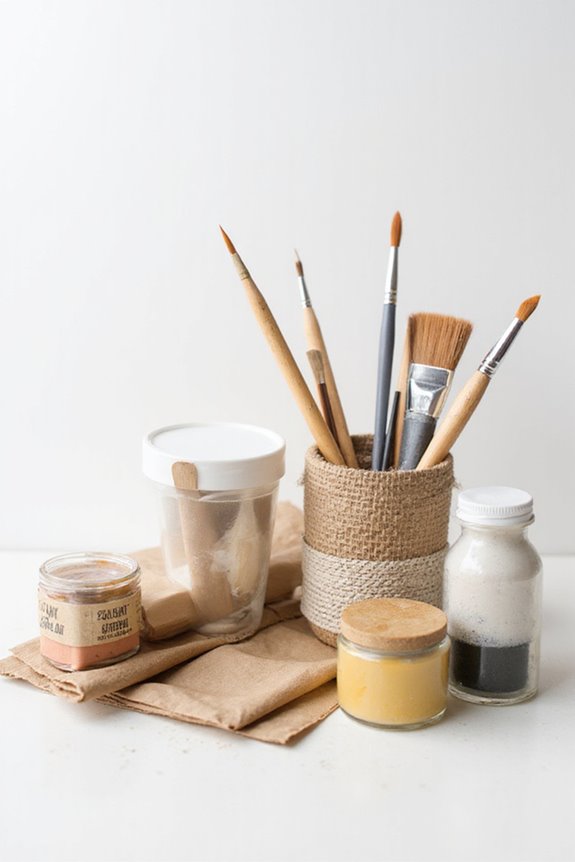
As we immerse ourselves in the world of packaging and waste reduction in art supplies, it’s essential to recognize the impact our choices make on the environment. Packaging innovations are paving the way for eco-friendly options, reducing the waste we create.
Here are some effective strategies:
- Choose biodegradable or recyclable materials 🌿: Look for products with minimal plastic use.
- Opt for reusable containers ♻: Many brands now offer refillable options, cutting down on single-use waste.
- Support companies with take-back programs 📦: They recycle or reuse packaging, making waste management easier. Additionally, using eco-friendly soy wax can further reduce your environmental footprint while crafting.
Health and Safety Aspects of Eco-Friendly Supplies
To reduce toxic exposure, we should opt for products with ASTM D 4236 certification. This guarantees they meet specific health regulations for safety.
Using plant-based pigments, water-based paints, and biodegradable materials can minimize health risks. 🌱 It’s also essential to take into account the intended users—children, for instance, are more vulnerable to exposure.
Always use art materials in well-ventilated areas and wear protective gear when necessary. 👍 By being cautious, we can enjoy our creativity while minimizing potential health risks.
Benefits of Using Eco-Friendly Art Supplies
When we choose eco-friendly art supplies, we’re not just making a sustainable choice; we’re also enriching our creative experience. 🌍 These materials often come from renewable or recycled sources, which means they have a lower environmental impact.
Benefits include:
- Reduced toxicity: By avoiding harmful chemicals, we minimize pollution and create a safer workspace.
- Sustainable techniques: Incorporating practices like zero-waste art inspires innovation and resourcefulness in our projects.
- Ethical sourcing: Supporting brands that prioritize fair labor practices guarantees safe working conditions and promotes a more equitable art industry.
When we embrace these options, we foster deeper connections with nature and our community, while helping to reduce our overall carbon footprint. Let’s make art that aligns with our values! 🎨✨
How to Choose Eco-Friendly Art Materials
How can we effectively choose eco-friendly art materials that align with our creative values? Let’s start by considering materials with a low environmental impact. We should prioritize products made from natural pigments, recycled content, or sustainable sources. Here are some tips:
- Look for biodegradable options: These decompose naturally without harming ecosystems. 🌱
- Avoid plastics and synthetic chemicals: Choose non-toxic, plastic-free supplies.
- Select sustainable papers: Recycled paper, bamboo, or hemp are great alternatives. 📄
- Consider certifications: Look for labels like FSC to guarantee responsible sourcing.
Recommended Products

100% NON TOXIC FOR PEACE OF MIND: Made with care, Honeysticks Water Color Paints are made using non-toxic ingredients and food-grade ingredients, making them safer for toddlers and children to use. Suitable for kids aged 3+

Vibrant colors that pop on paper, wood, and posters – Our 12 classic tempera paint sticks are washable, blendable, and mixable. One set works for everything: school projects, homemade greeting cards, or just doodling on scrap paper. Great for toddlers, students, and beginners alike.

THE PERFECT NON TOXIC FINGER PAINTS FOR YOUR LITTLE ARTIST - Honeysticks Finger Paints are water based, non-toxic, and made with cosmetic-grade colorings. Includes 6 pots (2.02 fl oz each) of thick, creamy finger paint in yellow, red, blue, purple, orange and green. Made with care, they are the ideal finger paints for first art moments with your precious little one.
Creative Projects With Sustainable Supplies
Creating art isn’t just about the materials we choose; it’s also about how we can use them sustainably. Let’s explore some fun projects that utilize repurposed textiles and natural dyes!
- Patchwork Quilts: Transform old clothes into vibrant quilts. Cut them into squares, stitch them together, and create a colorful patchwork masterpiece!
- Natural Dyes: Use fruits and veggies for dye. For example, beet juice creates a lovely pink hue! Boil the scraps in water, then soak your fabric.
- Mixed-Media Art: Gather broken glass pieces, metal scraps, and cardboard to create dynamic sculptures and collages.
- Eco-Printing: Press leaves and flowers onto fabric for unique prints.
Are Eco-Friendly Art Supplies More Expensive Than Conventional Ones?
When we consider the price comparison between eco-friendly and conventional supplies, we often find eco options pricier. However, by exploring budget alternatives, we can discover ways to enjoy sustainability without stretching our wallets too much.
How Can I Dispose of Eco-Friendly Art Supplies Properly?
Just like a responsible gardener nurtures their soil, we should follow recycling guidelines for eco-friendly art supplies. Let’s explore disposal methods that keep our environment safe, ensuring we responsibly manage waste while fostering creativity.
Can Children Use Eco-Friendly Art Supplies Safely?
Absolutely, children can use eco-friendly art supplies safely! By ensuring safe usage, we foster their creativity while minimizing health risks. Let’s choose trusted, non-toxic materials and supervise their art adventures for peace of mind!
Where Can I Find Local Eco-Friendly Art Supply Stores?
As the saying goes, “Many hands make light work.” When seeking local eco-friendly art supply stores, we should explore community resources and sustainable sourcing options, ensuring our creative endeavors align with environmentally responsible choices.
Are There Certifications for Eco-Friendly Art Materials?
Yes, there’re certification processes and eco labels that guarantee art materials meet sustainability standards. By choosing products with these certifications, we can confidently support eco-friendly options that prioritize both our planet and ethical practices.