As an Amazon Associate, we earn from qualifying purchases. Some links on this site are affiliate links at no extra cost to you. Our recommendations are based on thorough research and editorial judgment.


What Are The Benefits Of Using Natural Dyes

Using natural dyes has many awesome benefits! 🌿 They’re gentle on our skin, making them great for everyone, including babies. Plus, they’re environmentally friendly—biodegradable and made from renewable plants. By choosing natural dyes, we also support traditional craftsmanship, helping local artisans thrive. 📈 We enjoy beautiful colors without harmful chemicals. And here’s a bonus: some natural dyes even provide UV protection! Stick with us to explore even more reasons to embrace natural dyes in your projects!
Key Takeaways
- Natural dyes are skin-friendly, non-toxic, and safe for sensitive skin, including babies, reducing allergic reactions and irritation.
- Environmentally sustainable, they are biodegradable and sourced from renewable plants, minimizing harmful chemical exposure.
- They support the preservation of traditional craftsmanship, enhancing cultural significance and creating workshops to teach artisan skills.
- Naturally dyed products provide aesthetically diverse colors and unique stories while offering additional UV protection for users.
- The production of natural dyes improves artisans’ livelihoods, creates job opportunities, and boosts local economies, especially among women.
Skin Benefits and Safety
When it comes to choosing clothing, we often overlook how important our fabric choices can be for our skin. Natural dyes are skin-friendly and promote skin compatibility by utilizing non-toxic ingredients. Unlike synthetic dyes, they don’t contain harmful chemicals that can irritate sensitive skin. This makes them suitable for everyone, even babies.
Using natural dyes reduces chemical exposure, minimizing potential allergic reactions and irritation. Plus, certain natural dyes even have antibacterial properties, supporting skin health actively. Consider these benefits:
- Avoids harmful chemicals 🚫
- Reduces skin irritation 🌱
- Offers added UV protection 🌞
Additionally, using eco-friendly products contributes to a more sustainable lifestyle.
When we choose natural over synthetic, we’re making a conscious decision for healthier skin. By prioritizing natural dyes, we create a safer clothing environment!
Recommended Products

Snug & Safe: Soft cotton-blend short sleeve one piece clothes ensures newborns stay cozy, with gentle fabrics perfect for delicate skin

★Organic Cotton Pointelle – Soft & Breathable & Comfortable★ Our unisex baby snap-up rompers are made of organic cotton pointelle. Excellent breathability ! this baby romper is naturally soft, lightweight, and breathable, helping keep your baby cool, dry, and comfortable in warm weather. And exceptionally soft for delicate newborn skin .

Baby Laundry Detergent: 100.5 fl oz bottle of ARM & HAMMER Baby Hypoallergenic Laundry Detergent, Cuddly Clean Scent
Environmental Sustainability
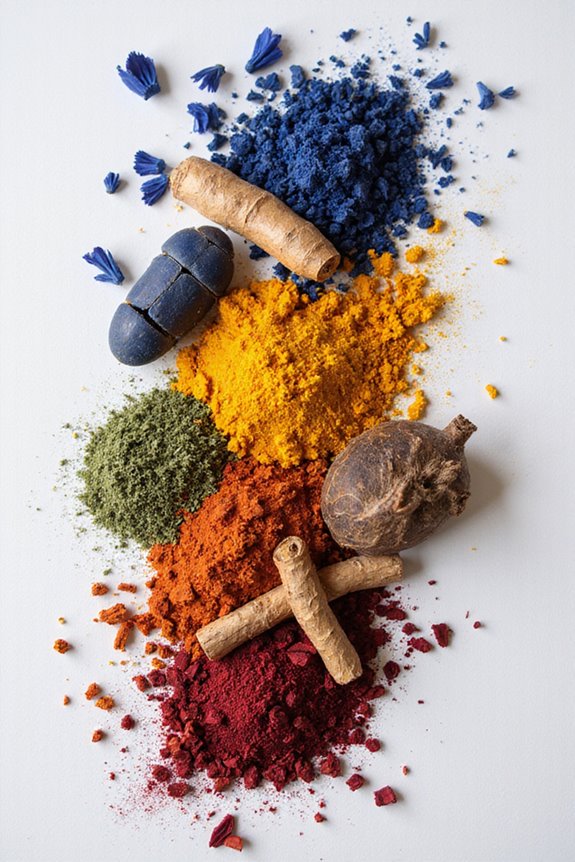
Here are some key points:
- Biodegradability: Natural dyes break down easily, leaving no toxic residues, which boosts ecological balance.
- Lower Resource Use: They require less water and energy during production, reducing depletion and contamination.
- Renewable Sources: Many dyes come from sustainably harvested plants, fostering a circular economy.
- Non-Toxic: Free from harmful chemicals, natural dyes improve safety for ecosystems and communities.
- Additionally, just as with natural dyes, using sealant sprays can enhance the durability of creative projects, contributing to their longevity and overall sustainability.
Recommended Products

No Mess Dissolvable Packet - Simply drop the dissolvable packet directly into water or your washing machine. No measuring, no spilled powder, and no messy cleanup. Enjoy vibrant, professional results with an easy, convenient dyeing process

VIBRANT COLORS: QUALIA All-Purpose Powder Fabric Dye offers ultra-concentrated colors that ensure your fabrics stand out. Suitable for a variety of materials including cotton, wool, silk, wood, & linen. Achieve vivid hues effortlessly with a pack that dyes up to 600g of fabric in just 30 minutes.

No Mess Dissolvable Packet - Simply drop the dissolvable packet directly into water or your washing machine. No measuring, no spilled powder, and no messy cleanup. Enjoy vibrant, professional results with an easy, convenient dyeing process
Preservation of Traditional Craftsmanship

Natural dyes not only support environmental sustainability but also play a vital role in preserving traditional craftsmanship. 🧵 These dyes link us to our cultural roots and showcase the artisanal skills passed down through generations.
By using natural dyes, we maintain the cultural significance of our textiles, ensuring traditional artisan techniques flourish. Many of us appreciate how colors often bear deep meaning in our ceremonies and rituals.
We can create workshops that teach these techniques, allowing skilled artisans to share their knowledge. Supporting naturally dyed products also helps local economies and keeps these crafts alive. Additionally, the use of adjustable punch needle tools enhances the crafting experience, making it accessible for a wider audience.
Let’s embrace natural dyes to honor our heritage, pass on invaluable skills, and celebrate the unique stories woven into our textiles!
Aesthetic and Protective Qualities

In choosing textiles for our everyday wear or home decor, we often overlook the incredible aesthetic and protective qualities of natural dyes. These dyes provide remarkable aesthetic diversity, producing rich, multi-dimensional colors that change with light and time. Each piece tells its own story through unique, soothing hues, perfect for creating a calming space.
Additionally, natural dyes offer protective attributes that are beneficial for our skin. Unlike synthetic dyes, they’re non-toxic and gentle, reducing irritation for sensitive skin. Did you know certain natural dyes even provide UV protection? Furthermore, many natural dyes are made from non-toxic, water-based formulas, making them a safer choice for both the environment and our health.
✨ By embracing natural dyes, we not only enhance our environment but also support our health. Don’t overlook the beauty and safety that nature provides!
Recommended Products

VERSATILE PROFESSIONAL FABRIC DYE Create brilliant tie-dye, ice dye, solid-color dyeing, low-immersion dyeing, batik, shibori, fabric painting, and more with Dharma Fiber Reactive Procion Dye.
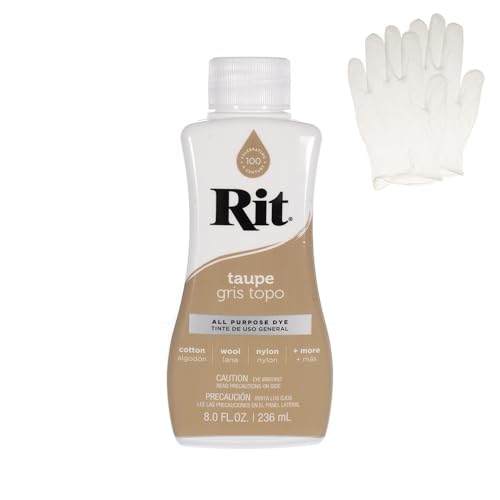
Easy to Use – The process is super easy to follow. Simply add dye to hot water with 1 tsp of liquid dish detergent and submerge whatever fabric you want dyed until your desired shade of that color is achieved.

[WET & DRY COMFORT]: Made from stretchy fabric with low water absorption, our kids rash guard is comfortable, lightweight and dries quickly.
Biodegradability and Reduced Waste

Although we often appreciate the beauty of fabrics, it’s essential to remember that the dyes we choose can greatly impact our environment. Using natural dyes not only enhances our textiles but also supports biodegradation processes. These dyes decompose easily, leaving no toxic residues behind.
Here are some key points to reflect upon:
- 🌿 Renewable Resources: Natural dyes come from plants and fungi, allowing for sustainable harvesting.
- 🚫 Less Waste: They generate considerably less hazardous waste than synthetic dyes, reducing our ecological footprint.
- 💧 Water Safety: Natural dyes minimize pollution risks, promoting healthier aquatic environments. Additionally, the use of high-quality materials in natural dyeing processes can further ensure the longevity and safety of fabrics.
Consumer and Market Trends
As we explore the exciting world of consumer and market trends around natural dyes, it’s clear that this field is undergoing significant changes. 🌱 The U.S. natural dyes market was valued at USD 1.14 billion in 2023, primarily driven by rising consumer preferences for organic and clean-label products.
Here’s a quick look at some key points:
- Market Growth: The global natural dyes market is set to grow from USD 5.07 billion in 2026 to USD 8.95 billion by 2034, averaging a 5.9% growth rate. 📈
- Consumer Awareness: Increasing health concerns about synthetic dyes are pushing consumers towards safer, environmentally friendly options.
- Industry Shift: Leading brands like Levi Strauss and Patagonia are embracing natural dyes, reflecting changing consumer preferences.
Adopting natural dyes benefits not only consumers but also the environment! 🌍
Recommended Products

Easy to Use – The process is super easy to follow. Simply add dye to hot water with 1 tsp of liquid dish detergent and submerge whatever fabric you want dyed until your desired shade of that color is achieved.

No Mess Dissolvable Packet - Simply drop the dissolvable packet directly into water or your washing machine. No measuring, no spilled powder, and no messy cleanup. Enjoy vibrant, professional results with an easy, convenient dyeing process

Economic Impact on Artisans
Natural dye production can greatly impact artisans’ economic situations, improving their livelihoods and families’ well-being. By using natural dyes, we can experience artisan empowerment through income diversification.
Here’s how:
- Low Costs: Natural dyes typically have lower production costs, allowing us to sell at competitive prices. 🌱
- Market Appeal: Naturally dyed products are exclusive, boosting their marketability and potential profits. 📈
- Job Creation: This industry opens job opportunities in rural areas, directly benefiting local communities. 🏡
- Women’s Role: Many women artisans lead dyeing activities, enhancing their economic status while supporting their families. 👩🎨
Healthier Choices for a Sustainable Future
Here are some benefits:
- Safer Choices: Natural dyes are non-toxic, minimizing risks for workers and consumers alike.
- Cleaner Environment: They’re biodegradable, causing less water and soil contamination.
- Waste Reduction: Many natural dyes use agricultural waste, promoting circular practices.
Recommended Products

100% Natural Indigo Dye Derived from Indigofera tinctoria, our indigo naturalis powder is a plant-based blue dye traditionally used in Eastern medicine, soapmaking, and sustainable textile coloring.
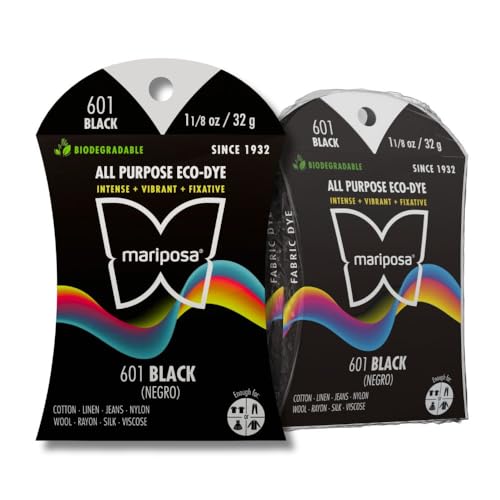
Vibrant Lasting Color - Our Black (601) Fabric Dye delivers intense, high-fixation color that stays rich wash after wash. Ideal for refreshing faded clothes or creating bold looks.

Vibrant Lasting Color - Our Navy Blue (606) Clothing Fabric Dye delivers intense, high-fixation color that stays rich wash after wash. Ideal for refreshing faded clothes or creating bold DIY looks.
Are Natural Dyes More Expensive Than Synthetic Dyes?
When we consider cost comparison, natural dyes often are more expensive than synthetic dyes due to complex dye production processes, labor intensity, and the need for quality control, despite their environmental benefits and unique qualities.
How Do Natural Dyes Affect Fabric Durability?
When we explore how natural dyes affect fabric durability, we find that colorfastness factors and specific dyeing techniques truly elevate our textiles, ensuring they handle the test of time better than a superhero in action!
Can Natural Dyes Be Used on All Types of Fabrics?
While natural dyes aren’t compatible with all fabrics, we can achieve great results on natural fibers. By employing proper dyeing techniques, we maximize color absorption while recognizing that synthetic blends might yield lighter hues.
What Are Common Natural Sources for Dyeing?
Imagine painting our world with colors drawn from nature’s palette! We can explore plant materials like madder and indigo for dye extraction, evoking hues that dance across fabrics, each shade telling a vibrant story.
How Do I Care for Naturally Dyed Textiles?
When caring for naturally dyed textiles, we should follow specific washing guidelines and employ colorfastness techniques. Hand washing in cold water works best, helping preserve those beautiful shades we love while ensuring lasting wear.