As an Amazon Associate, we earn from qualifying purchases. Some links on this site are affiliate links at no extra cost to you. Our recommendations are based on thorough research and editorial judgment.

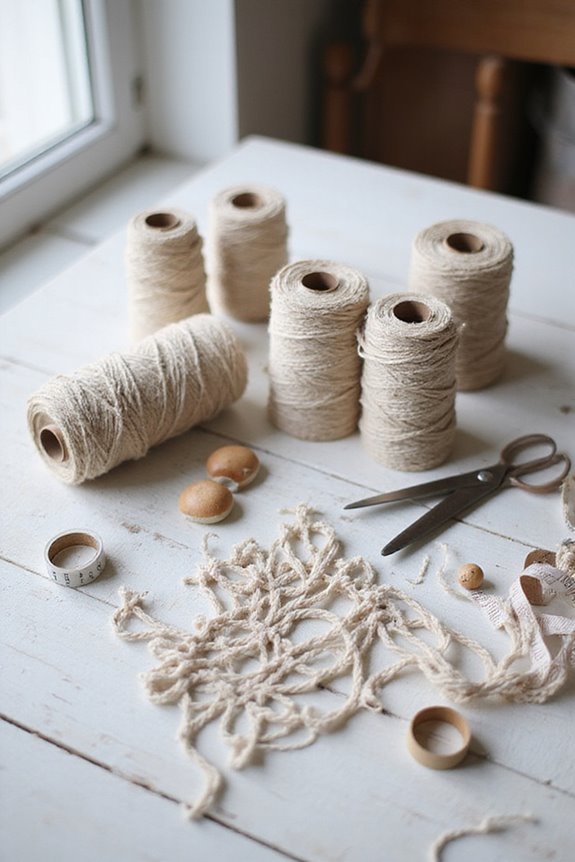
What Are The Common Mistakes In Macrame Projects

In my experience, common mistakes in macrame projects include tangled cords and wrong cord lengths. 🎣 Make sure to roll cords into balls, securing them with rubber bands to avoid mess. Cut cords at least 4 to 8 times the finished length for best results. Also, maintain even tension when knotting and use clips to help keep everything in place. 📏 And don’t forget to track your knot counts! Stick around to discover more essential tips.
Key Takeaways
- Failing to properly measure and cut cord lengths can lead to inadequate material and messy projects.
- Neglecting to secure cord ends and using inappropriate materials can result in fraying and poor durability.
- Inconsistent knot tension can create uneven designs; applying even pressure is essential.
- Losing track of patterns and knot counts may lead to errors; regular checks and notes are crucial.
- Lack of practice and skill development can hinder progress; dedicate time weekly to improve knot techniques.
Tangled and Mismanaged Cords
When you’re deep into a macrame project, tangled and mismanaged cords can really throw a wrench in your creativity. To prevent this, cord organization is key. Here are some effective techniques:
- Roll long cords into balls and secure them with rubber bands. 🎾
- Use center-pull bundles for smooth unwinding, avoiding knots and tangles.
- Sort cords by length in separate containers to reduce confusion. 📦
- Secure cord ends with tape to prevent fraying. ✂
A good workspace setup also helps. Keep your area clean and spacious, using smooth surfaces to minimize friction. You can even use cord holders or dowels to keep cords aligned. By maintaining order, you’ll stay focused and creative throughout your project! 🌟 Additionally, learning common macrame knots like the Square Knot can enhance your ability to manage and design your projects effectively.
Recommended Products

Material:Each macrame hat rack is made of natural cotton cord and strong wood rod,which is sturdy, not easy to break or fade.

Bohemian-Style Hair Clip Organizer: This hanging organizer blends boho woven charm with practical storage. It keeps your countertops clutter-free while adding a cozy, stylish touch to your bedroom, bathroom, or dressing room.
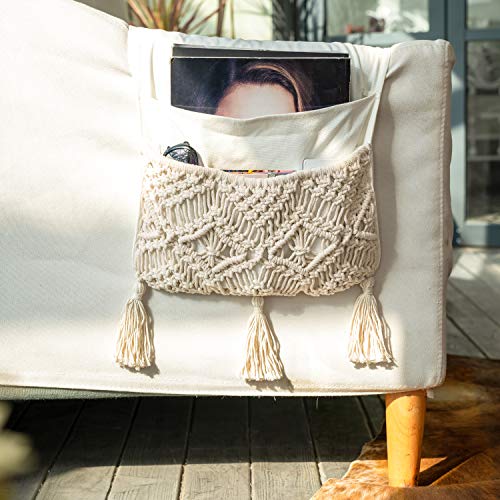
The cute handmade couch caddy will fit in the living room to store newspapers and magazines on the sofa or chair with a cushion. The sofa caddy can also be placed bedside in the bedroom and leave the most necessary things in it. --( USPTO patent pending )
Incorrect Cord Length and Material Selection

Choosing the right cord length and material is essential for the success of any macrame project, as underestimating these elements can derail your creativity.
🔹 Cord Estimation: A good rule is to cut your cords about 4 to 8 times the finished length. For more complex knots, like Berry knots, use up to 5 times the project length. Add a 10% to 30% buffer for knot tightness variations.
🔹 Material Compatibility: Thicker cords create bulkier knots and require longer lengths. Make sure to adjust based on the cord’s thickness to avoid excess or insufficient material. Additionally, using eco-friendly materials can enhance the overall quality and sustainability of your macrame projects.
Recommended Products

100% Natural Cotton Rope 5mm x 300m/328yds -Army green macrame cotton craft rope, the total length is 300 meters. It’s eco-friendly, 100% NEW ORIGINAL Cotton, no scraps or recycled fabric, odor-free, and soft. It’s thick and strong as an excellent material for your handmade craft macrame projects

Made from Quality Cotton Fiber: People demand soft, durability, and strength for their macrame needs, and we keep sourcing the best raw material cotton fiber to help protect our brand; Great basis for all your home decor,chrismas decor or macrame projects
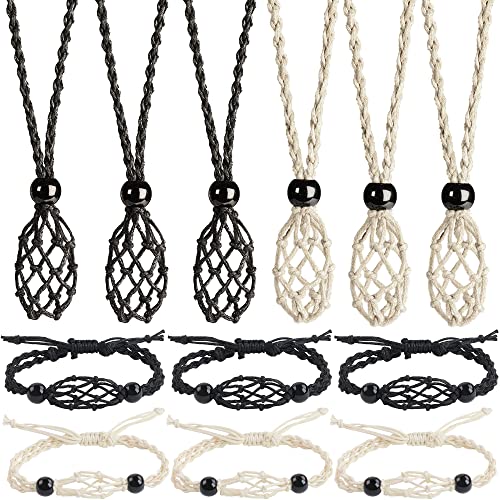
Package contents: You will receive 6 pieces necklace cord and 6 pieces Bracelet empty stone holders in Black and Beige. Enough quantity to meet your different DIY needs.
Inconsistent Knot Tension and Placement

Inconsistent knot tension can be one of the biggest challenges in macrame projects, impacting both the appearance and structure of your work. To achieve knot uniformity, it’s essential to practice tension calibration. Here are some tips to help:
- Apply even pressure on each knot. Pull with the same force to maintain consistency.
- Step back regularly to assess your work. Early detection of tension inconsistencies can save you time.
- After creating key knots, like square knots, re-tighten your cords to eliminate slack.
- Use clips to hold cords in place while you adjust tension.
- Remember that intricate designs require precise knot placement for a polished finish.
Recommended Products

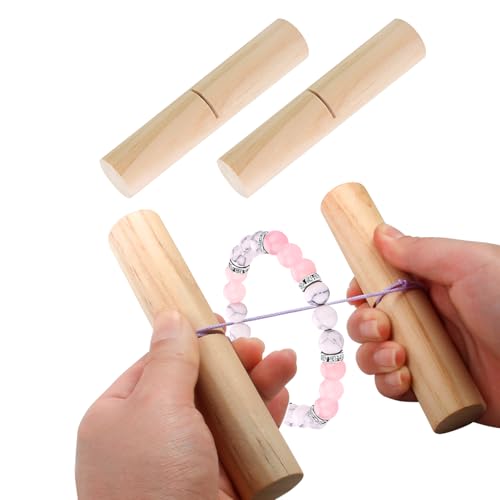
Package Details: There are 2 pieces of knot grippers tools inside, which can help you make exquisite jewelry decorations, improve your hands-on ability, and let you make more exquisite decorations.
【Effortlessly Tighten Silicone Beads】 Professional-grade tightening tool designed specifically for silicone beads and delicate knots, ensuring secure and polished finishes for bracelets, keychains, and wristbands.

Packing List: You will receive one pair of knot grippers and 3 pieces of loop turner tools in the package, which will meet your craft making needs.
Losing Track of Patterns and Knot Counts

Have you ever found yourself in the midst of a macrame project, only to realize you’ve lost track of your knot counts? I know how frustrating that can be! To avoid this, try using visual tracking methods, like counting the bumps on the left side of your work. This simple technique helps guarantee accuracy, especially with repetitive knots like square knots.
To further enhance your counting, consider marking your progress with notes or clips. If you notice you’ve made an error, correct it right away by untying the extra knots, which saves you time and keeps your pattern intact. Additionally, using eco-friendly fibers can help ensure that your projects are not only beautiful but also sustainable.
Neglecting Practice and Knot Skill Development

While it might be tempting to plunge into complex macrame projects right away, neglecting practice and knot skill development can lead to frustrating results. Mastering foundational knots, like the lark’s head and square knot, is essential. Without these, your projects may end up uneven or loose.
Consider setting up practice routines. Focus on repetitively tying knots to gain knot proficiency. Here are some tips to enhance your practice:
- Start simple: Begin with beginner projects using basic knots.
- Practice regularly: Dedicate time each week to improve your skills.
- Use quality cord: It’ll make a difference in your knot outcomes. Additionally, investing in high-quality bamboo tools can enhance your crafting experience.
Failure to Correct Mistakes Properly
After you’ve gotten the hang of basic knots, it’s easy to overlook mistakes while working on your macrame projects. Proper error identification is key to maintaining your design’s integrity. Here are some helpful tips:
- Check for uneven knots early to avoid greater issues.
- If you notice a pattern distortion, count your knots to track any inconsistencies.
- Use the “fold-in-half and wrap” technique for any short cords you may need to add.
Recommended Products
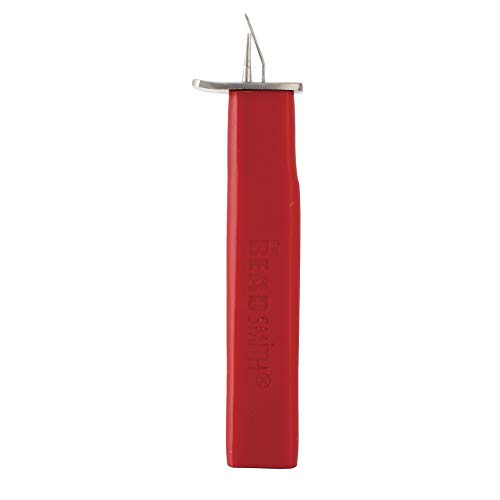
PROFESSIONAL KNOTTERS: Creates secure knots. Useful for stringing pearls and other types of beads.

┃JEWELRY MAKING KIT┃: Includes a professional knotting Tool and five cards of silk thread.

Overlooking Maintenance and Care for Projects
When it comes to your macrame projects, neglecting maintenance can lead to frustrating problems down the line. It’s crucial to keep your pieces clean and well-cared for. Here are some tips:
- 🌟 Cleaning Techniques: Spot clean with a damp cloth and mild natural cleanser like vinegar. Avoid full washes unless necessary, ensuring gentle agitation in lukewarm water.
- 🏠 Storage Solutions: Store your macrame flat or hang it to prevent creasing. Keep it away from direct sunlight and damp areas to avoid mold or fading.
Regular dusting with a soft brush can also help maintain the appearance. If fringes get tangled, comb them gently to restore their shape. By caring for your macrame, you’ll extend its life and keep it looking beautiful!
Recommended Products

Space Saving & Durable to Use - Measuring 51"*51"*65", this stuffed animal holder is large to hold a crowd of stuffed animals to save more floor space. Made from premium cotton, our macrame toy hammocks are soft, eco-friendly, and super durable for use.

1. Boho Aesthetic Enhances Kitchen Decor:Features classic bohemian macrame weaving and a unique water drop shape, turning a practical fruit basket into a stylish wall decor piece that complements modern, rustic, or boho-themed kitchens.

GREAT STUFFED ANIMAL NET:This toy hammock net is made of 100% premium cotton which is environmentally . The traditional handmade macrame rope is applied to the animal hammock which means the hanging net would not loosen or change its shape and ensures a longer durability.
How Can I Personalize My Macramé Projects Creatively?
To personalize my macramé projects, I love experimenting with vibrant color combinations and creating unique patterns that reflect my style. Mixing textures adds depth, and incorporating personalized elements makes each piece truly special to me.
What Tools and Supplies Are Essential for Beginners?
When I started macramé, I found essential materials like cotton cord and sharp scissors vital. Learning those essential knots became fun and manageable, allowing me to create beautiful projects without feeling overwhelmed. Keep it simple!
Where Can I Find Inspiration for New Macramé Designs?
When I’m seeking inspiration for new macramé designs, I explore online communities and various design sources. I find ideas from nature, social media, and even my everyday life that spark creativity and unique concepts.
How Do I Choose the Right Workspace for Crafting?
Choosing my workspace felt like picking a garden plot; I needed organization for my tools and a cozy environment. Whether horizontal or vertical, it’s about comfort and access to inspire my crafting creativity.
What Are the Best Ways to Gift or Showcase Macramé Pieces?
When gifting macramé pieces, I love using eco-friendly gift wrapping and showcasing them in attractive displays. Framing enhances the artwork, while creative packaging adds a personal touch that resonates with the recipient’s style.