As an Amazon Associate, we earn from qualifying purchases. Some links on this site are affiliate links at no extra cost to you. Our recommendations are based on thorough research and editorial judgment.

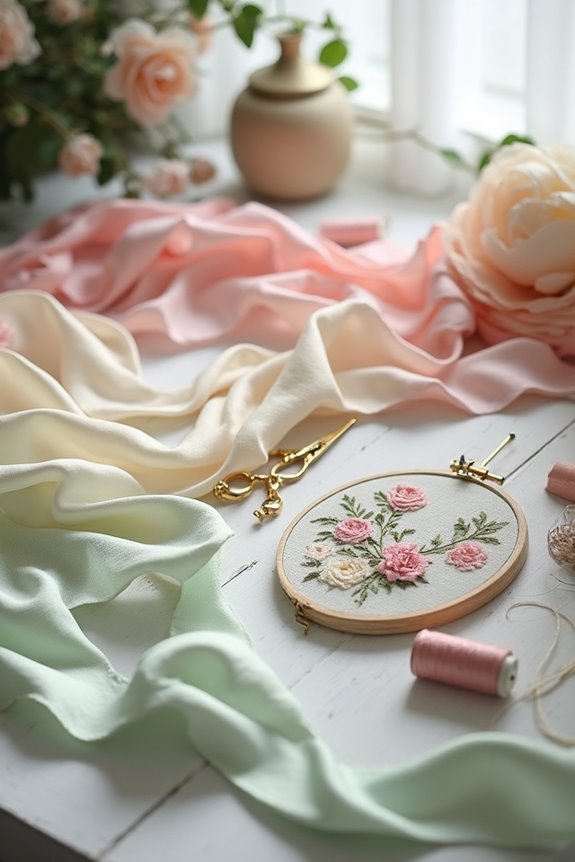
How To Use Silk Ribbon In Embroidery

To use silk ribbon in embroidery, start by preparing your materials. Unpack ribbons gently to avoid creasing and store them on spools or tubes. Use contrasting colors for visual appeal. Begin with basic stitches like straight and ribbon stitches to create petals and leaves. Keep ribbon lengths short, under 12 inches, to prevent twisting. For finishing touches, tie secure knots and store your work properly to protect it. There’s so much more to explore, so let’s get started! 🎨✨
Key Takeaways
- Unpack and store silk ribbons on empty spools or cardboard tubes wrapped in acid-free tissue paper to prevent damage.
- Use basic stitches like straight, ribbon, and French knots to create various shapes and textures in your embroidery.
- Maintain fabric tension with a spring tension hoop and keep ribbon lengths short to avoid fraying and twisting during stitching.
- Choose smooth fabrics like silk dupioni or velvet, and use a chenille needle to ensure the ribbon glides smoothly without crushing.
- Secure finishing knots and tack down any tails to prevent puckering, while storing completed pieces in a cool, dry place away from sunlight.
Preparation and Materials for Silk Ribbon Embroidery
When I first started with silk ribbon embroidery, I quickly realized that preparation is key to a successful project. To begin, carefully unpack your ribbons to prevent creasing. For efficient ribbon storage, I recommend rolling them onto empty spools or cardboard tubes wrapped in acid-free tissue paper. This keeps them organized and protected from discoloration.
Next, think about color selection! Choose ribbons that’ll contrast nicely against your fabric; lighter ribbons shine on darker backgrounds. The lengths you work with should be under 8 inches to minimize fraying while stitching. 🔍 Additionally, consider using non-toxic materials to ensure safety during your crafting process.
💡 *Tip:* Gently burn the ribbon edges to prevent fraying. Remember, the right prep can enhance your overall silk ribbon embroidery experience!
Recommended Products

20 spools of 100% Pure Silk Ribbons of 4mm

【What Will You Get】1* embroidery hoop, 3* embroidery fabric with pattern, 3 set of enough Silk Ribbon, 6* embroidery needles, 3* instructions, 1* scissor, 1* needle threaders, 1* Seam ripper.

100% Pure Silk 4mm Ribbons. Each spool is individually shrink wrapped and wound on a plastic spool to prevent it from getting all creased up and damaged
Basic Stitches for Silk Ribbon Embroidery

- Straight Stitch: This is the most basic stitch, forming simple lines or petal shapes. Just bring your needle up through the fabric, pull the ribbon gently, and insert it down at the endpoint.
- Ribbon Stitch: Use this stitch for creating leaf or petal shapes. It involves bringing the needle up and re-inserting nearby to form loops.
- Stem Stitch: Perfect for stems or vines, it uses a figure-eight technique to create a textured line.
- French Knots: These tiny knots add detail. Wrap the ribbon around the needle before inserting it back close to the exit point.
- Looped Stitch: This stitch creates a soft loop, great for curved petals. Incorporating high-quality materials can enhance the overall appearance of your embroidery project.
Techniques to Control Ribbon Appearance

To achieve the best results with silk ribbon embroidery, it is crucial to control how the ribbon appears as you stitch. Here are some helpful techniques:
- Use taut fabric tension with a spring tension hoop to keep stitches flat.
- Handle the ribbon gently with a blunt tapestry needle or tweezers to avoid crushing it.
- Pull the ribbon directionally as you stitch for better flatness and maintain that sheen.
- Keep ribbon lengths short (12-14 inches) to minimize twists and tangles.
- Avoid tight stitches; slightly looser stitches preserve the ribbon’s width and texture.
- Monitor stitch density control to keep the embroidery balanced and visually appealing.
- Incorporating decorative edge designs can add unique texture and dimension to your silk ribbon embroidery projects.
Recommended Products
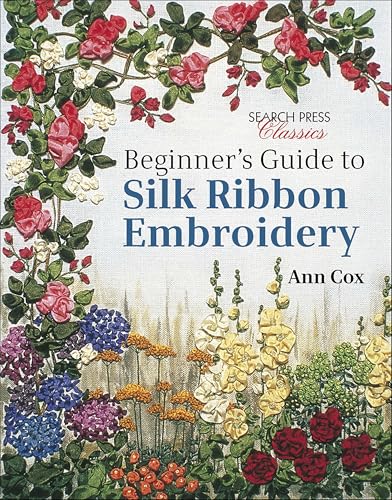

Used Book in Good Condition

This package contains twenty-five different sized embroidery needles
Advanced Stitches and Variations

As you master the techniques to control ribbon appearance, exploring advanced stitches and variations can really elevate your silk ribbon embroidery. These advanced stitch applications offer depth and texture to your projects. For instance, try the Overcast Running Stitch, wrapping the ribbon over running stitches for a twisted rope effect—great for borders and stems!
- Ribbon Stitch Variations let you adapt shapes for petals or leaves.
- Incorporating twisted ribbon and loop techniques adds fullness to floral elements.
- Don’t forget about using French knots which create lovely detail.
Additionally, implementing pre-printed patterns can simplify the design process, allowing you to focus more on mastering the advanced techniques. Each of these methods enriches your design with ribbon texture variations, enhancing both the visual and tactile quality of your work. 🌺 Happy stitching!
Recommended Products
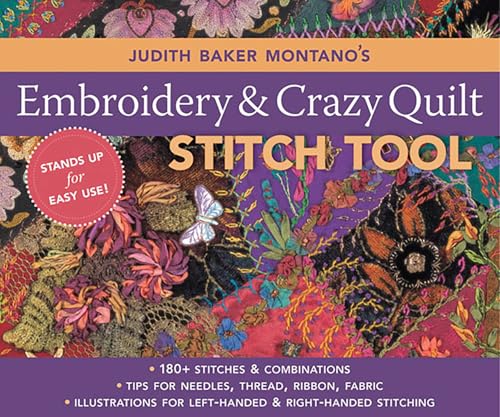

These needles work well for embroidery and adding embellishment to wearables or fabric

Fabric and Ribbon Compatibility

When you’re diving into silk ribbon embroidery, understanding fabric and ribbon compatibility is crucial. Choosing the right fabric types greatly impacts your results. Smooth fabrics like silk dupioni, Irish linen, and velvet work best. Here’s what to take into account:
- Needle Selection: Use a chenille or tapestry needle. These have wider barrels to prevent ribbon crushing.
- Fabric Density: Avoid very dense fabrics; they can resist needle penetration.
- Trial Run: Always test your fabric and needle combo before starting on your main piece. This helps avoid damage and guarantees smooth stitching. Additionally, employing high-quality yarn can enhance the overall texture and appearance of your embroidery project.
Recommended Products
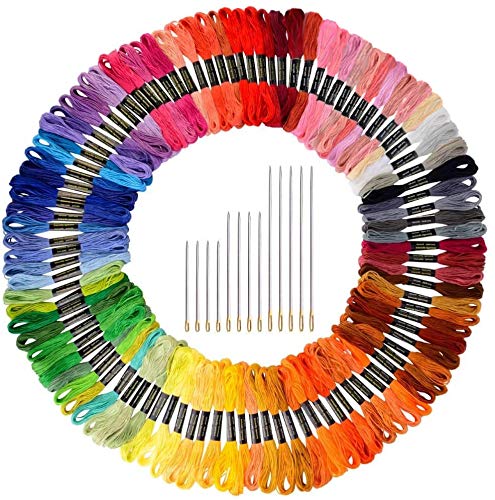
WHAT YOU GET – Paxcoo Embroidery thread included 124 skeins embroidery threads along with a set of gold eye needles that is great for beginners

Silk Ribbon Embroidery sewing needle collection is very special indeed and is designed for the discerning sewing needle enthusiast. It is a superb collection of 25 sewing needles including Chenille, Tapestry, Embroidery, and Beading, Milliners, Sharps and Quilting needles, all of which are used in the art of embroidery and embellishing fabrics by using silk ribbons, organza ribbons, beads, sequins, metallic threads, silk threads and stranded cotton.

Finishing Techniques and Care for Silk Ribbon Embroidery
Finishing off your silk ribbon embroidery is just as important as the initial stitching. To create secure finishing knots, I pierce the ribbon about ¼” in, sew a running stitch, and pull the ribbon through. This forms a loose knot that holds well. Make certain to tack down leftover tails with thread to prevent any puckering.
For ribbon storage, keep finished pieces in a cool, dry place, away from sunlight. Protect them under glass or acid-free materials to avoid damage. When cleaning, I gently spot clean with mild detergent, always testing first on a small area. Afterward, let it air dry flat. Following these steps guarantees your silk ribbon embroidery stays beautiful for years! 😊
Recommended Products

✅ Beautiful 4mm wide 100% silk ribbon in a rainbow of colors on 10m (11 yard) spools.

10 mts per Color/Spool

10 mts per Color/Spool
Can I Use Silk Ribbon on Denim Fabric?
Absolutely, I often use silk ribbon on denim fabric! The denim compatibility is great for adding texture and dimension. Just remember to choose the right needle and test your stitch to guarantee smooth results.
How Do I Choose the Right Ribbon Width?
When choosing the right ribbon width, I consider ribbon texture and color contrast. Narrow ribbons enhance delicate details, while wider ones create bold statements, ensuring my design complements both the fabric and overall aesthetic.
Can I Mix Different Types of Ribbons?
Mixing ribbons is like blending colors on a canvas. I love experimenting with texture contrasts and discovering unexpected color combinations. When done thoughtfully, it adds depth and dimension to my embroidery projects, enhancing their beauty.
What Tools Are Essential for Silk Ribbon Embroidery?
When I think about essential tools for silk ribbon embroidery, I know having sharp needles and embroidery hoops is crucial. They really help me master silk ribbon techniques and perfect my embroidery stitches for stunning results.
How Do I Create My Own Ribbon Design?
Getting the ball rolling on my ribbon design is thrilling! I often draw inspiration from nature and art, combining design techniques like sketching and layering to create unique pieces that truly reflect my vision.