As an Amazon Associate, we earn from qualifying purchases. Some links on this site are affiliate links at no extra cost to you. Our recommendations are based on thorough research and editorial judgment.

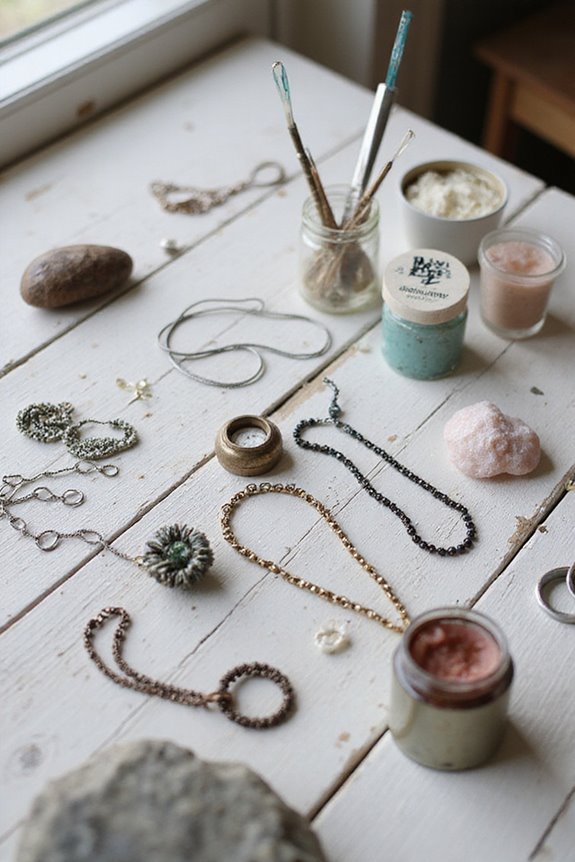
What Are The Popular Techniques For Mixed Media Jewelry

In mixed media jewelry, we often blend various techniques to create stunning pieces. 🌟 Here’s what we focus on:
- Metalsmithing with fibers like leather
- Resin to encapsulate unique items
- Textile techniques, like crocheting wire
- Using paper and found objects for creative shapes
- Integrating wire and beads for secure designs
Each technique enhances our designs’ uniqueness. If you keep exploring, you’ll discover even more exciting methods and ideas!
Key Takeaways
- Combine materials like fibers, leather, and metals to create unique contrasts in hardness and texture.
- Use resin layering techniques to embed elements and achieve depth in jewelry designs.
- Incorporate textile techniques, such as woven metal or crocheted wire, for lightweight, intricate pieces.
- Utilize paper and found objects alongside resin to add character and visual interest to jewelry.
- Master wire and bead integration techniques for secure and stylish arrangements in mixed media pieces.
Metalsmithing With Nontraditional Materials
When we plunge into metalsmithing with nontraditional materials, it’s exciting how creative we can get! By incorporating fibers, leather, and even computer chips, we can explore metal layering and create unique designs.
Tips for a Successful Mixed Media Piece:
- Contrast: Pair hard metals like brass with soft materials to enhance texture contrast.
- Techniques: Use basic methods like soldering and sawing to join materials securely.
- Experiment: Don’t shy away from weaving or dyeing techniques for added dimension. Additionally, consider using comprehensive sets that include specialized tools for a more refined finish.
Recommended Products
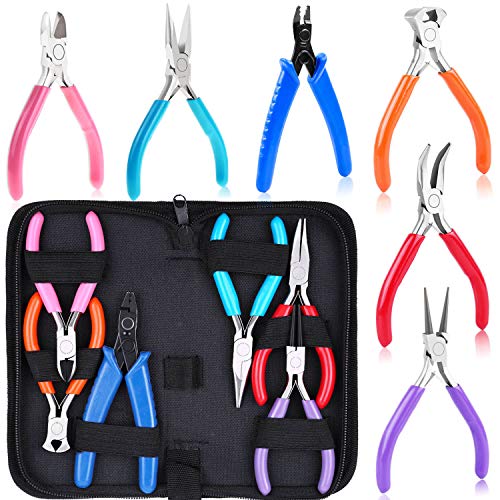
Jewelry Making Tools: Acejoz jewelry making supplies kit includes 6 pairs of jewelry pliers in different types with a zipper punch. The jewelry pliers set lists as needle nose pliers, round nose pliers, wire cutters, bent nose pliers, crimping pliers and end nippers

Used Book in Good Condition

Wire wrapping mandel set contains 2 round mandels made of steel, PVC handle come with non-slip, each mandel tool has 5 stepped/10 sizes wire wrapping - jump ring or loops making beading tools.
Utilizing Resin in Mixed Media Jewelry
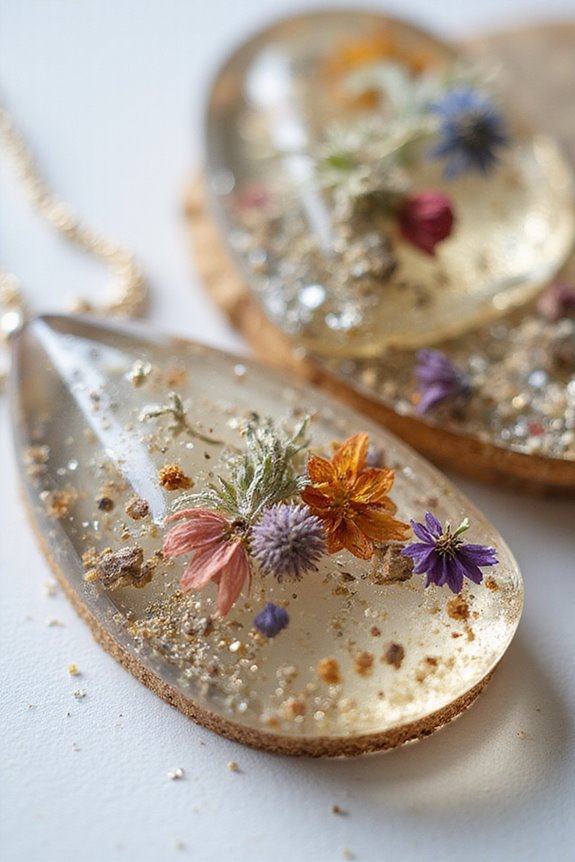
Mixed media jewelry designs open up exciting possibilities, especially when we utilize resin. 🥳 We can choose between two-part epoxy resin or UV resin for our projects. Epoxy requires a careful mix of equal parts resin and hardener, curing for 24–72 hours, while UV lets us work quickly under a light.
Using resin layering techniques, we can embed elements like dried leaves or metallic accents. Make sure everything’s completely dry to avoid cloudiness. 🎨 Pouring resin in stages helps create depth, protecting delicate bits inside. For great results, we need to measure accurately and use protective gear. Let’s also play with colors by adding chameleon powders or alcohol inks for unique effects! 🌈 With practice, we can master these techniques and make stunning pieces. Additionally, incorporating high-quality materials from resin casting kits can enhance the durability and clarity of our jewelry designs.
Recommended Products

ARTISAN APPROVED QUALITY - Unlock your artistic potential with Craft Resin. Premium clear epoxy resin kit and hardener allows you to create beautiful pieces with a glass-like finish and no yellowing over time. Popular for DIY art, tabletop coating, mold casting, canvas, coasters and jewelry making.

💎【Upgrade UV Resin Hard】:The use of higher quality raw materials (polyurethane acrylic resin) makes the UV light curing effect better. After curing, the work is hard and non-stick, and the perfect creation can be presented.

Faster Curing: UV resin beats AB epoxy resin with its quick curing time and no mixing required. We are dedicated to professionally researching and developing high-quality UV epoxy resin, promising rapid, effective curing with UV light in minutes and a non-sticky finish. Whether you’re making a personalized resin keychain as one of the sweetest mother day gifts for mom, or a tiny resin heart pendant for a friend, it lets you finish heartfelt mother’s day gifts quickly without sacrificing quality.
Textile Techniques for Jewelry Making
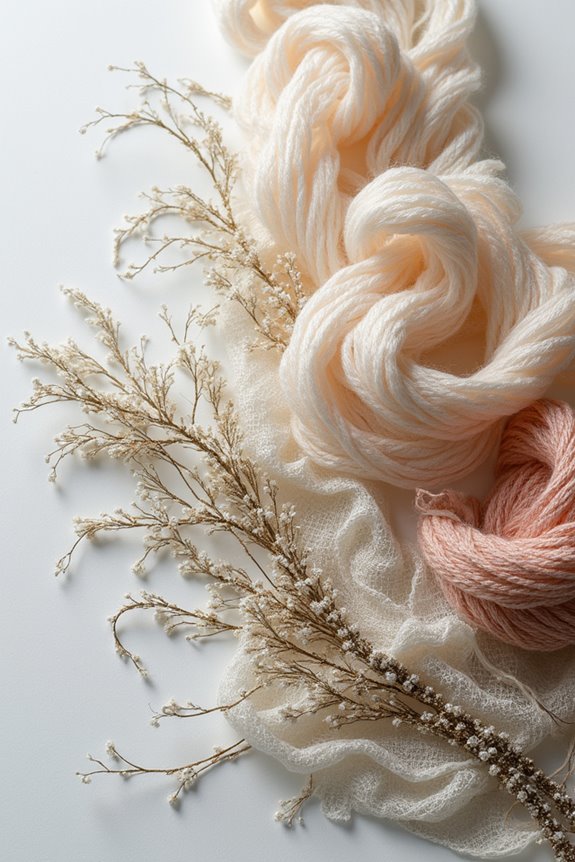
Textile techniques bring a unique flair to jewelry making, offering endless creative options. We can use woven metal and crocheted wire to craft lightweight, intricate pieces that imitate fabric textures. When weaving with fine metal wires, we create lace-like designs or chainmail effects.
🌟 Here are some tips:
- Experiment with different wire gauges for various thicknesses.
- Combine gemstones within your crocheted structures for visual interest.
Crocheted wire allows us to create soft patterns that maintain a strong metal foundation, perfect for airy designs. Utilizing these techniques not only enhances our creative expression but also provides an appealing contrast to traditional metals. Additionally, incorporating beginner-friendly kits can help you get started with essential tools for creating textile jewelry pieces. So, let’s get started and explore the beautiful possibilities in textile jewelry!
Recommended Products
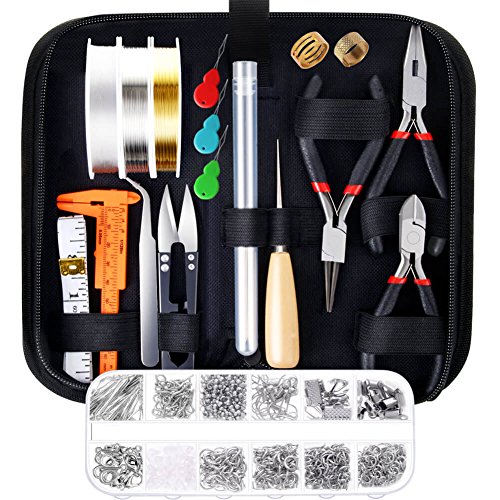
Please Note: If the pliers you received have some oil on the head that make it look like dirty, please do not worry. The jewelry pliers are coated with oil to prevent rust. Please wipe them clean with a cloth before use and apply oil to them before storage, which will help the pliers keep anti-rust.

Jewelry Making Supplies Kit – Audab ring sizer jewelry making tool kit comes with 4 pcs ring sizer measuring tools, 5 pcs jewelry wire for jewelry making, 3 pcs jewelry craft pliers,1 clear beading string, 6 needles, 1 tweezers, 1 caliper, 1 awl, 1 jump ring opener, tape measure, zip pouch,1 box of jewelry findings. Perfect for professional and amateur jewelry making lovers and starters to do jewelry making project, jewelry beading, jewelry repair, crystal wrapping rings and other DIY projects
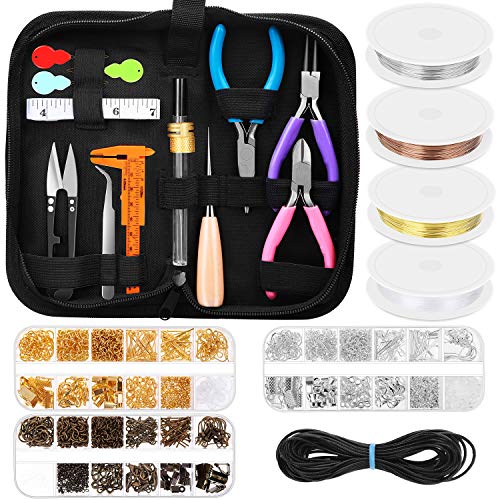
Please Note : If the pliers you received have some oil on the head that make it look like dirty, please do not worry. The jewelry pliers are coated with oil to prevent rust. Please wipe them clean with a cloth before use and apply oil to them before storage, which will help the pliers keep anti-rust.
Incorporating Paper and Found Objects
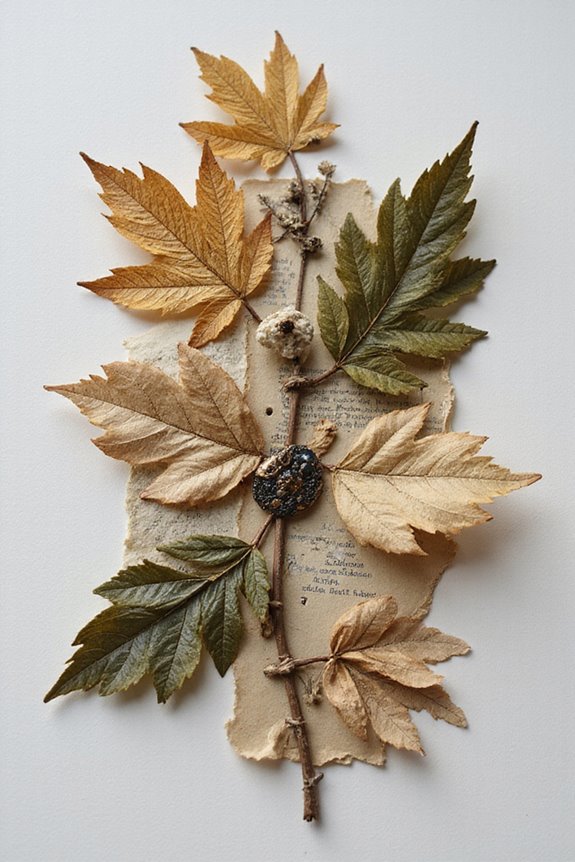
Jewelry making opens up so many avenues for creativity, and incorporating paper and found objects takes it to another level. We can create beautiful paper beads by cutting decorative paper into strips, rolling them tightly, and sealing them with varnish. For unique pendants, let’s cut shapes from colorful paper or even metallic holiday tins.
When we think about found object placement, we can mount items like buttons or bottle caps using a clear-drying glue. 🖌 For added depth, we can layer paper and objects together, applying resin to unify them. Using high-quality materials ensures that our creations remain durable and visually appealing.
Recommended Products

Material: Crafted from epoxy resin glue, these epoxy stickers provide a strong adhesive that keeps your designs secure and vibrant


【Pre-Pierced & Ring-Ready Design】 Each aluminum bottle cap comes pre-punched with a clean 1/8” (3mm) hole and an attached 8mm split ring—ready for instant use in your crafts or jewelry.
Wire and Bead Integration Techniques
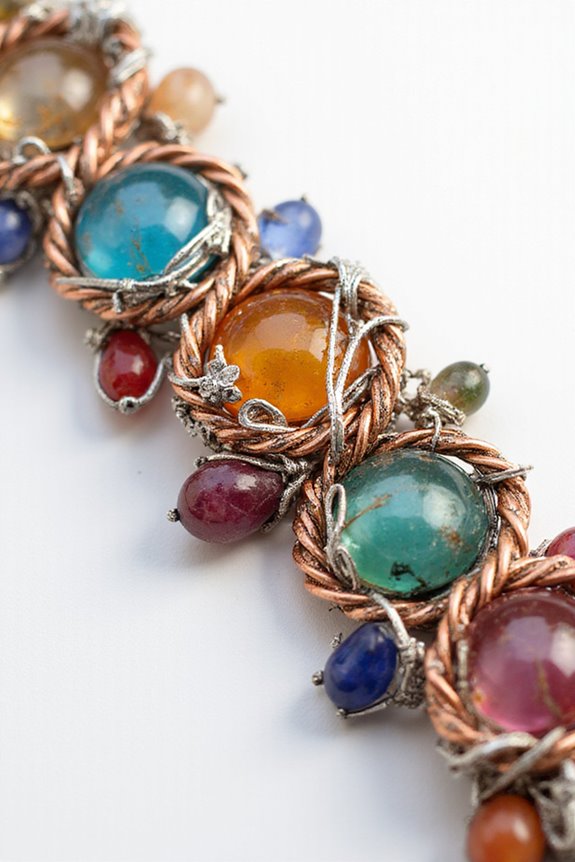
When we immerse ourselves in wire and bead integration techniques, we can access a world of design possibilities.
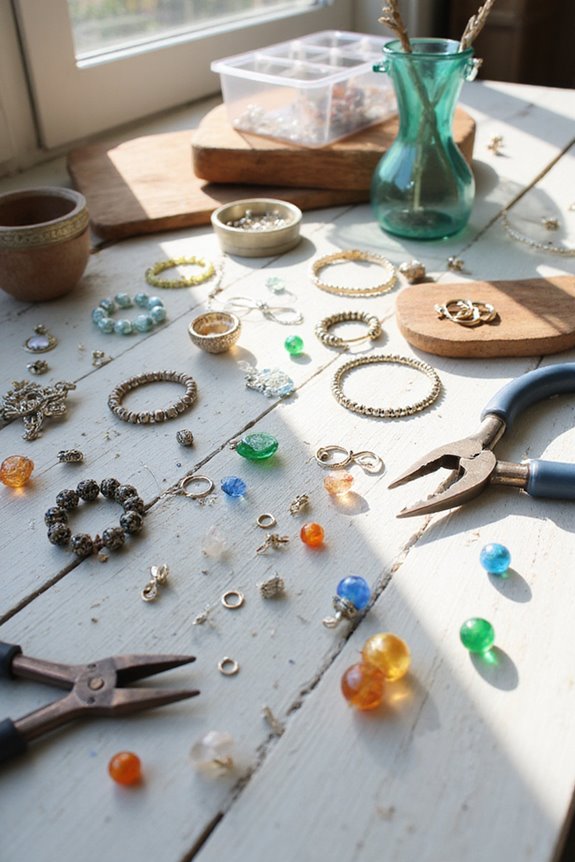
First, mastering wrapped loops is essential for securing beads. We coil the wire around itself 1.5 to 2 times, ensuring stability and style. Remember to cut the tail flush and tuck it in to avoid snagging.
Next, let’s explore freeform weaving. This technique involves intricate coils around beads, creating beautiful textures. Using various wire gauges can enhance our designs too; choose thicker wire for larger holes and thinner wire for flexibility. Additionally, selecting high-quality sterling silver wire can significantly improve the durability and appearance of our finished pieces.
Lastly, when assembling chain links, keep ends aligned to maintain a seamless flow. With these techniques, we can craft unique, eye-catching jewelry!
Recommended Products
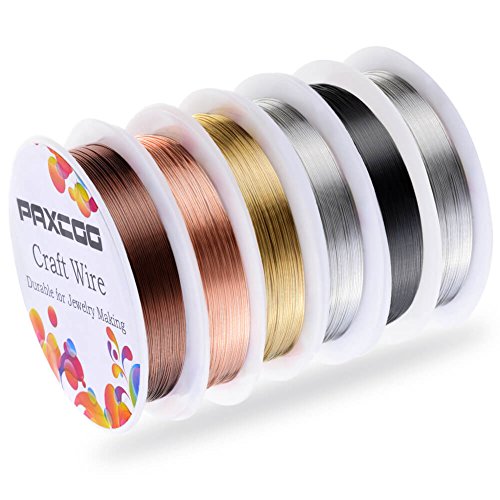
WHAT YOU GET?: Paxcoo jewelry wire set includes 6 rolls of different color copper wire. They are easy to use and works with different types of beads, necklace and bracelet designs

Jewelry Wire:Professionally crafted from high-quality tarnish-resistant copper, this 26 gauge wire (0.4mm) is perfect for jewelry making, beading, and crafts. Ideal for necklaces, bracelets, ear wires, and pendants

[925 SILVER WIRE GUARDIAN]: U shape wire guard are made of 925 sterling silver, bright color, smooth surface. The material of 925 sterling silver is SOFT and therefore bends with force and is not of poor quality. Not easy to cause skin irritation, suitable for long-term wear
What Tools Are Essential for Starting Mixed Media Jewelry Making?
To start mixed media jewelry making, we’ll need essential tools like wire-cutting pliers and items for design sketching. A solid toolkit helps guarantee we create beautiful, unique pieces showcasing our creative visions.
How Do I Choose the Right Adhesives for Mixed Media Projects?
When choosing adhesives for our mixed media projects, we should consider adhesive types based on project compatibility, ensuring they bond well with various materials while offering flexibility and durability for our creative endeavors.
What Safety Precautions Should I Take While Working With Resin?
When we immerse ourselves in resin projects, it’s like swimming with sharks—exciting yet risky! We should always prioritize resin safety by wearing protective gear, ensuring good ventilation, and monitoring for any health symptoms while we work.
Can I Mix Metals and Fabrics in the Same Piece?
Absolutely, we can mix metals and fabrics in the same piece! It’s essential we consider metal compatibility and guarantee proper fabric treatment for durability. This combination creates unique, visually striking jewelry we can all appreciate.
How Do I Price Mixed Media Jewelry for Sale?
When pricing mixed media jewelry, we should consider effective pricing strategies and market trends. It’s essential to account for materials, labor, and overhead while ensuring our prices reflect the uniqueness of our creations.